Box Truck Financing, Explained
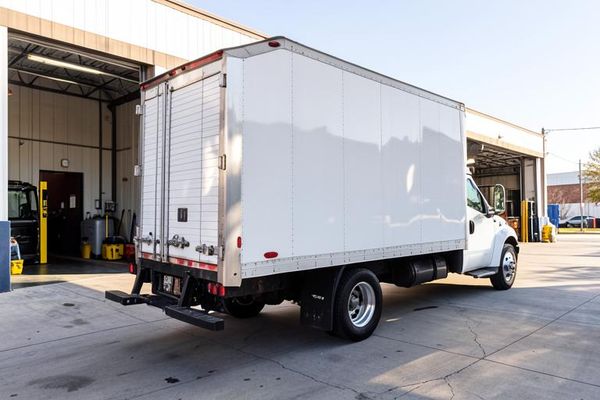
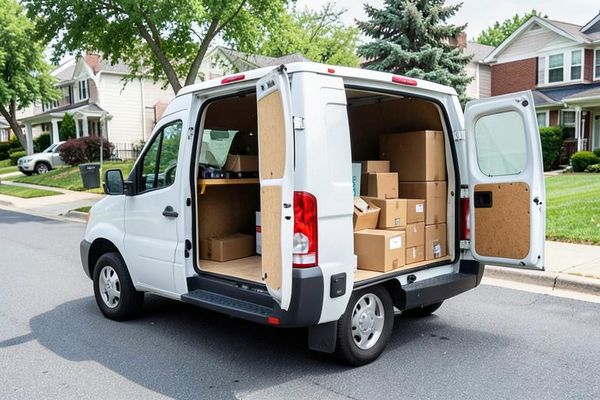
The box truck is the quiet workhorse of American commerce. Every Amazon package on a doorstep, every refrigerator delivered to a new homeowner, every pallet of produce reaching a neighborhood grocer — a huge share of it rides the final miles in a 16-to-26-foot straight truck. Final-mile delivery is the fastest-growing corner of freight, and it runs on equipment that an ambitious driver can actually afford to own.
Box truck financing is equipment funding secured by the truck itself, which is exactly why it is more accessible than most commercial lending. Because the unit collateralizes the note, funding partners can approve buyers that a bank would turn away: first-time owner-operators, delivery startups without a year of tax returns, and operators rebuilding credit after a rough patch. Loan amounts typically run from $15,000 for an older used unit to $120,000 or more for a new 26-foot diesel with a liftgate, over terms of 24 to 72 months.
The economics are compelling. A driver with a dependable box truck and a route contract can realistically gross $3,000 to $6,000 per week in many metro markets, against a monthly truck payment that often lands under $1,200. That spread is why so many company drivers are making the jump to ownership — and why getting the financing right from day one matters so much.
Why Box Trucks Are the Easiest Entry Into Truck Ownership
Three things make box trucks the friendliest financing segment in commercial vehicles. First, price: a solid used 26-footer costs a fraction of a sleeper tractor, so the amount at risk is smaller and down payments are reachable. Second, demand: final-mile, expedited, furniture, appliance, and medical delivery contracts are abundant in every metro in America, so a lender knows the truck can earn. Third, resale: the used box truck market is deep and liquid, which keeps repossession losses low and approval standards loose.
There is also a regulatory advantage that changes everything for startups. Most box trucks under 26,001 pounds GVWR do not require a CDL, which means a new owner can put a driver — or themselves — to work immediately without months of licensing. Many local and regional delivery operations also run under intrastate authority or under a contract carrier's authority, removing one more barrier between you and your first paying load.
Startup Delivery Businesses: Getting Approved Without a Track Record
Traditional banks want two years of business tax returns, which is a polite way of saying no to every startup. Equipment funding partners that specialize in final-mile look at a different file: a signed route or delivery contract, your personal credit and driving history, your down payment, and your plan. An Amazon Relay onboarding letter, a DSP agreement, a furniture retailer's delivery contract, or a medical courier arrangement all function as proof of revenue in a way a bank statement cannot.
Expect startup terms to reflect the risk: 15 to 30 percent down, terms of 36 to 60 months, and pricing above what a three-year-old company would pay. That is normal and still worthwhile if the contract revenue covers the payment with margin. The fastest way to improve your second truck's terms is six to twelve months of on-time payments on the first one — lenders re-underwrite payment history aggressively in this segment.
One warning worth heeding: do not sign for a truck before your contract is in writing. The single most common failure in final-mile startups is a driver who finances a unit on the strength of a verbal promise that never materializes. Get the agreement signed, confirm the weekly settlement math, then pre-qualify for the truck.
New vs Used Box Trucks: How the Financing Differs
New units — Isuzu NPRs, Hino 268s, Freightliner M2s, Ford F-650s and their peers — finance on the longest terms and the lowest rates, often 60 to 72 months, because the collateral is pristine and warranty coverage protects the revenue stream. If your contract work is high-mileage and downtime is the enemy, new often pencils out despite the bigger payment.
Used units are where most startups begin, and the financing rules shift with age and mileage. A three-to-seven-year-old truck with under 200,000 miles still finances conventionally over 48 to 60 months. Units past ten years or 300,000 miles move into specialty programs: bigger down payments, 24-to-48-month terms, and closer scrutiny of maintenance records. Before you finance any used box truck, pay for an independent inspection — specifically the frame rails, the box floor and roof seams, liftgate hydraulics, and the after-treatment system on diesels. A $400 inspection has saved more operators than any loan term ever has.
Whichever route you take, match the loan term to the truck's remaining useful life. Financing a high-mileage unit over 60 months invites the worst outcome in equipment finance: still owing on a truck that no longer earns.
Bad Credit Box Truck Financing: What Actually Works
Damaged credit does not end the conversation in this segment — it changes the structure. Scores in the 550 to 620 range are approved regularly because the truck secures the note. What funding partners want to see instead is strength elsewhere: a larger down payment of 15 to 30 percent, a signed revenue contract, clean recent bank statements with no unexplained negative days, and a believable story about what caused the credit damage and what changed.
Two traps to avoid. First, weekly-payment programs marketed hard at credit-challenged buyers: the payments look small, but the effective annual cost can be brutal and a single slow week puts you in default. Second, 'guaranteed approval' dealers financing their own aged inventory at inflated prices — you end up overpaying for the truck and the money at the same time. A soft-pull pre-qualification lets you see real options before you ever walk onto a lot, which is the strongest negotiating position a buyer with bruised credit can have.
Lease vs Loan, and What You'll Need to Apply
A conventional equipment loan means you own the truck at the end, build equity with every payment, and can modify or sell the unit freely. A TRAC lease — the standard commercial vehicle lease — lowers the monthly cost, preserves cash, and offers a set purchase price at the end of the term. Operators running steady, long-term contracts usually favor ownership; delivery fleets scaling fast often lease to keep capital free for the next unit.
Documentation is lighter than most people expect. Typically you will need a driver's license, three months of business or personal bank statements, your delivery contract or authority details if you have them, and the truck's year, make, model, mileage and price once you have one picked out. Startups without a unit selected yet can still pre-qualify for an amount, which tells you exactly what price range to shop.
America's final-mile drivers are the last link in the chain that stocks every shelf and doorstep in this country — the lifeblood of the USA moving one box at a time. TruckLoansAi.com exists to connect those drivers with licensed funding partners who understand delivery economics. Pre-qualification is free, is a soft credit inquiry, and carries no obligation.
Typical Box Truck Financing at a Glance
| Buyer profile | Down payment | Typical term | Notes |
|---|---|---|---|
| Established business, good credit | 0–10% | 48–72 months | Best pricing; new units qualify |
| Startup with signed route contract | 15–30% | 36–60 months | Contract counts as revenue proof |
| Credit score 550–620 | 15–30% | 24–60 months | Truck secures the note |
| Older / high-mileage unit | 20–35% | 24–48 months | Inspection strongly recommended |
Ranges are general market illustrations, not offers. Actual pricing is set by the funding partner after underwriting.